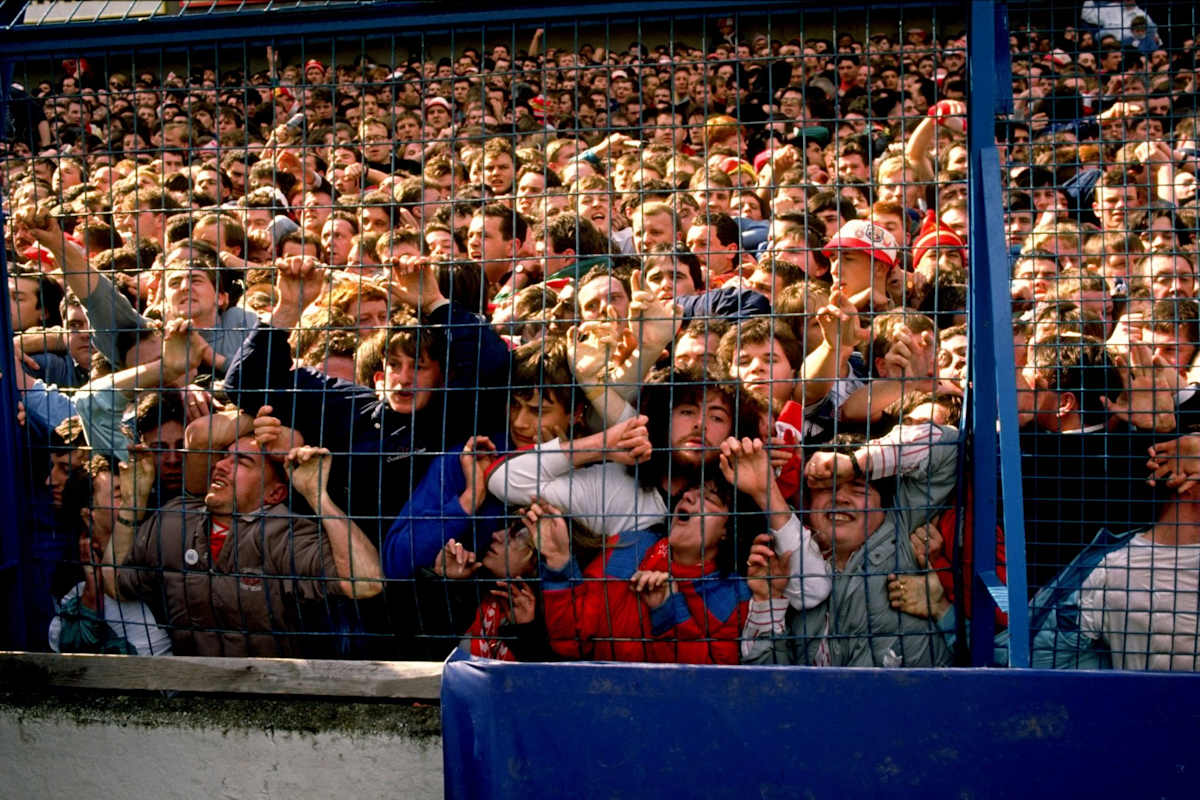
Gabriele Olivari's Ashes of Cairo series is a high-octane espionage thriller, following MI6 agent Alexandra Silva as she extracts a Russian defector in Milan and hunts a mastermind (Orlov) who weaponizes crowd psychology to engineer deadly crushes for geopolitical gain. Culminating in a race to prevent a stadium disaster in Alexandria, Egypt, the novel blends pulse-pounding action with themes of trauma, intelligence ethics, and the dark science of human behavior. While fictional, it draws from real espionage scandals, catastrophic crowd events, and psychological operations, making it a gripping commentary on modern threats. For readers new to these global contexts, this guide unpacks the themes, places, and facts to deepen your immersion—whether you're chasing thrills or exploring the shadows of intelligence warfare.

Key Themes: Trauma, Defection, and the Weaponization of Crowds
Olivari explores Silva's scarred psyche from past failures while dismantling Orlov's "methodology" for engineered disasters:
- Psychological Warfare and Crowd Manipulation: Orlov's tactics—using alarms, bottlenecks, and panic triggers—highlight how intelligence ops exploit human behavior for chaos.
- Defection and Betrayal: Yashin's extraction underscores the risks of switching sides, blending personal survival with geopolitical stakes.
- Intelligence Ethics and Personal Scars: Silva's Riga trauma (a breadline crush) drives her, questioning the human cost of "ghost hunting" in shadowy ops.
These themes echo real-world psyops and defections, turning the thriller into a cautionary tale on invisible weapons.
Iconic Places: From Milan's Shadows to Egypt's Crowds
The novel spans Europe and the Middle East, using locations to build tension. For outsiders, here's insight:
- Milan, Italy: The extraction unfolds in this northern hub, with its mix of historic facades and modern grit—think reinforced lawyers' offices near San Vittore Prison (from Olivari's prior works). Milan's Hotel Caravaggio (fictional but evocative of baroque hotels) symbolizes transient spy life amid the city's fashion-forward bustle.
- Cairo, Egypt: The embassy crush scene captures Cairo's chaotic energy—dense streets, ancient-modern clashes near the Nile. The U.S. Embassy area, with reinforced security, represents diplomatic fortresses in volatile zones.
- Alexandria Stadium, Egypt: The climax targets this coastal venue (inspired by Borg El Arab Stadium, Egypt's largest with 86,000 capacity). Alexandria, a Mediterranean port city with Hellenistic roots (e.g., ancient library ruins), contrasts serene seas with protest-prone crowds.
The Real Facts: Espionage, Crushes, and Psyops That Inspired the Plot
Olivari fictionalizes a defector hunt and crowd weaponization but roots it in documented events and ops. This context adds eerie realism:
- Famous Crowd Crushes and Stampedes: Orlov's "methodology" mirrors real disasters like the 1989 Hillsborough Stadium crush (97 deaths from overcrowding and barriers, UK). The 1985 Heysel Stadium disaster (39 deaths, Belgium, fan violence and collapse) and 2010 Love Parade stampede (21 deaths, Germany, tunnel bottleneck) show how panic triggers (alarms, barriers) cause cascades—facts Olivari uses for engineered chaos.
Recent examples: 2022 Seoul Halloween crush (159 deaths) and 2012 Port Said Stadium riot (74 deaths, Egypt, post-match invasion). These inform the novel's stadium prevention, highlighting psychological factors like density and fear.
- Russian Defectors and SVR Operations: Yashin's defection draws from cases like Sergei Skripal (ex-GRU, poisoned 2018 in UK with Novichok; MI6-linked). SVR (Russia's foreign intelligence) hunts defectors; Skripal's case involved GRU agents and failed assassinations. Other examples: 2010 spy swap (Skripal among four Russians for U.S. agents) and Alexander Litvinenko (2006 polonium poisoning). These inspire Yashin's paranoia and eliminations of contacts.

- Egyptian Protests and Stadium Incidents: The Alexandria Stadium plot echoes real crushes like the 2012 Port Said riot (74 deaths post-match; sparked protests blaming authorities). 2015 Cairo stampede (19 deaths, clashes) and 2011 Tahrir Square protests (Cairo/Alexandria clashes, deaths from crushes/tear gas). These tie to Arab Spring unrest, where crowds were manipulated or suppressed.
- Psychological Operations in Intelligence: Orlov's crowd weaponization reflects real psyops: RAND studies on "cognitive security" against info warfare, AI-driven disinformation, and historical tactics like WWII deceptions. Modern examples: Russian "malinfluence" via narratives.
These facts make Ashes of Cairo chillingly relevant—dive in prepared, and the shadows feel all too real.
Happy reading,
Thriller Enthusiast & Olivari Fan